Journal · Hotel Marketing Strategy
Hotel Video Production Services: What Full-Service Actually Delivers
Hotel video production services are easy to shop for and hard to compare. Two studios quote the same property, one number is half the other, and nothing on the page explains why. The gap is almost never the camera. It is the difference between buying a day of filming and commissioning a service — the whole arc from a blank brief to a library of films that actually earn their place on your homepage, your feeds and your campaigns.
The word "services" is doing quiet work in that search. Hotel video production services, bought well, are rarely a freelancer with a nice camera; they are a scope — who will own the story, who will run the shoot, and what actually lands in your hands at the end. This is a guide to that scope: what a full-service engagement really covers, stage by stage, and how to tell a considered studio from a rental with a tripod.
What "full-service" actually means
Full-service is one of the most abused phrases in the category, so it is worth defining by what it removes from your plate rather than what it adds to the invoice. A real service owns four things end to end: the strategy, the shoot, the edit, and the delivery of usable assets. You bring the property and the objective; the studio brings the story, the crew, the schedule and the finished library.
The tell is accountability. A videographer is responsible for footage. A production service is responsible for whether the film works — whether the hero cut holds a booker's attention, whether the vertical clips travel on social, whether the campaign edit carries emotional weight at the moment of decision. That single shift, from hours delivered to outcomes owned, is what you are really paying for.
The core idea
A day of filming gives you footage. A production service gives you a decision made at every stage — what to show, how to shoot it, how to cut it, and where each version goes to work. The camera is the cheapest part of that sentence.
Before the camera: strategy and pre-production
The most valuable hours in a hotel video production happen before anyone arrives on property. Pre-production is where the brief becomes a story: what this hotel is actually selling — the arrival, the light in a particular room at a particular hour, the ritual of a meal — and which two or three feelings the film has to leave behind. Skip this and you get a competent walk-through of a building that could be any hotel in the category.
Concretely, this stage produces a creative concept, a shot list mapped to real spaces, a shoot schedule built around the light rather than around convenience, and a plan for how every space will be dressed and lit. It is also where the harder questions get answered — guest and staff presence, permits, drone windows, the golden and blue hours the schedule has to bend around. As we argue in seven cinematic concepts beyond the room tour, the sequences that persuade are planned, not discovered on the day.
Production: the shoot as a controlled event
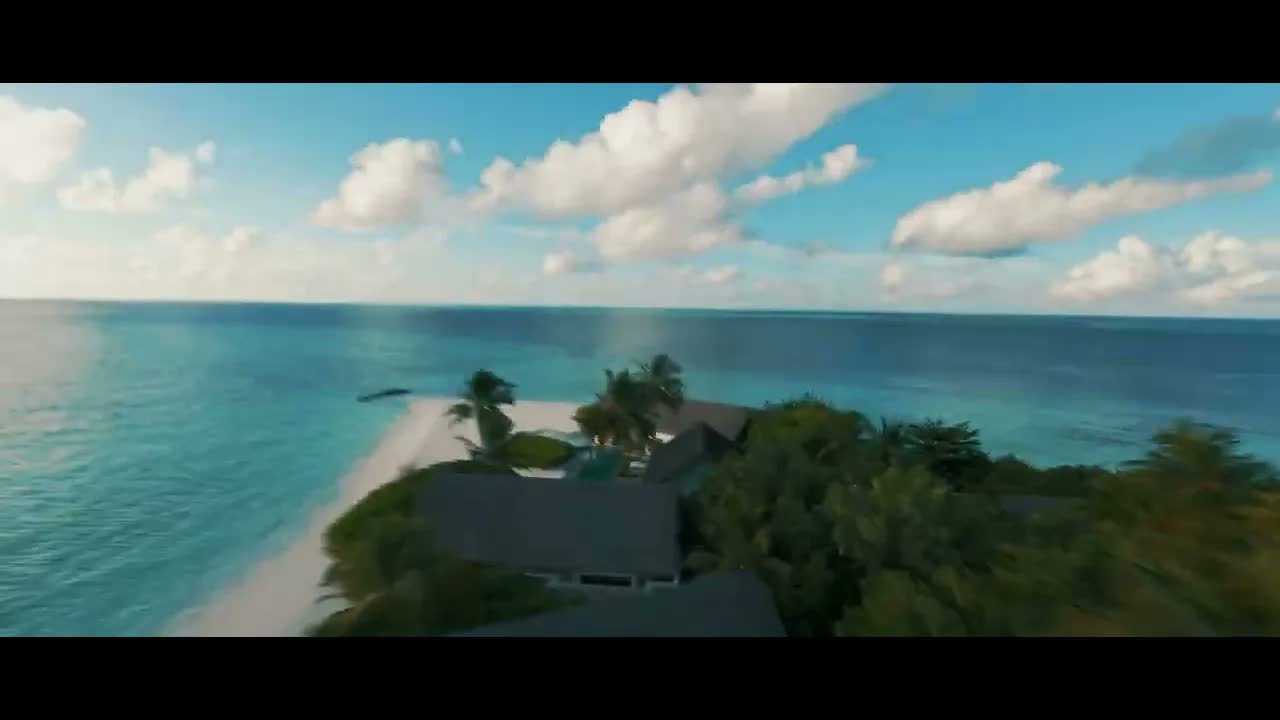
On property, a service reveals itself in how little drama there is. A planned shoot moves through the schedule chasing the light: dawn exteriors, mid-morning interiors, the room at the hour it looks best, the restaurant as service begins. A proper crew arrives with the grip, lighting and camera support to shape a scene rather than merely record it, and with the aerial or FPV capability to give the property scale when the story needs it.
What separates a service from a rental here is judgement in the moment — the discipline to wait for the shot the weather owes you, to reset a room three times for one frame, and to resist filming everything just because the crew is on the clock. Restraint on set is not caution; it is what keeps the edit from drowning in adequate footage.
Post: where the service becomes a library
Post-production is where most of the value is created and where thin "services" quietly disappear. A real edit is a set, not a single film: a 60–90 second hero cut for the homepage and OTA listings, a shorter paid-social cutdown, and several vertical clips formatted for Reels and TikTok — all pulled from one shoot. Add professional colour grading and sound design, and the same footage carries across every placement a hotel actually uses.
A 60–90s film for the homepage and OTA listings
Paid cutdowns and vertical clips from the same shoot
Colour, sound and formats that serve every placement
This is why the plural in "hotel videos production" is not an accident. One well-run production should furnish a library that markets the property for a year, not a single asset that ages in a month. Scoping the deliverable set up front — how many cuts, which formats, which platforms — is the difference between a film and a marketing system.
Distribution and measurement: the service doesn't end at delivery
A finished file sitting in a folder converts nothing. The last stage of a genuine service is making the work usable: assets exported to the right specs for each channel, captioned and sized for silent autoplay, and placed where booking decisions are actually made. A studio that hands over a hero cut and walks away has done a craft job, not a service one.
Measurement closes the loop. The point of the film is commercial, so its performance should be legible — watch-through on the homepage, engagement on social, and, ultimately, movement on direct bookings. We treat a +30% lift in direct bookings as the target a well-made hotel film should aim for, a goal set by the craft rather than a promise; in one anonymized single-property case, a cinematic homepage film contributed to a +34% rise in direct bookings. How to track that honestly is the subject of our guide to the metrics GMs should follow.
A film delivered is not a film working. The service ends when the footage is earning its place on the pages where guests decide — not when the export finishes.
Choosing a hotel video production partner
Scope, not day rate, is the honest basis for comparing hotel video production services. Ask what the engagement actually owns — the story, the schedule, the crew, the edit set and the distribution-ready assets — and how the price maps to deliverables and objectives rather than to hours on site. A quote that lists a camera and a day is selling filming; a quote built around a concept, a shoot plan and a defined library is selling a service.
VISION works exclusively in luxury hospitality, and we scope every hotel and resort production around the story and the deliverable set before the crew is ever booked — the reasoning behind that is laid out in why your resort needs a cinematic video. If you want to see how the full service maps to your property, tell us what you want to say and we will shape a concept — start with a free quote or explore how we work.
Frequently asked questions
What do hotel video production services include?
A full-service engagement covers four stages, not one: pre-production strategy (the brief, the story, the shot list and the schedule), the shoot itself, post-production (the edit, colour, sound and a set of formatted cuts), and delivery of distribution-ready assets for the website, social, OTA listings and campaigns. A service is the whole arc from intent to a usable library — not simply a day of filming.
How much do hotel video production services cost?
It depends on scope — the number of shoot days, whether aerial or drone work is involved, how many finished cuts and formats you need, and whether the film is a single hero piece or a year-round library. The honest way to price it is by deliverable and objective rather than by a flat day rate, which is why a considered studio scopes the brief before quoting.
How long does a hotel video production take?
A typical engagement runs a few weeks end to end: a week or so of pre-production and scheduling, one to a few shoot days on property, and two to four weeks of post-production depending on the number of cuts, the colour and sound work, and revision rounds. Rushing any stage usually shows in the final film.
What is the difference between hiring a videographer and a video production service?
A videographer gives you footage; a production service gives you outcomes. The service owns the story, the schedule, the crew, the edit and the formatted deliverables, and it is accountable for whether the film actually works across your website, social and campaigns. You are buying judgement and a finished library, not hours behind a camera.
Next step
Plan your resort's cinematic film.
See transparent packages and ranges on our pricing page, or tell us about your property and we'll shape a tailored quote.