Journal · Luxury Resort Video Marketing
Ski Resort Video Production: A Cinematic Guide for Alpine Hospitality
Ski resort video production is not a slope highlight reel. It is the difference between a guest seeing a mountain and a guest feeling it — the crunch of first tracks, the quiet of a gondola at dawn, the warmth of a chalet after the last run. For alpine hospitality, that feeling is the product, and cinematic film is the most direct way to sell it.
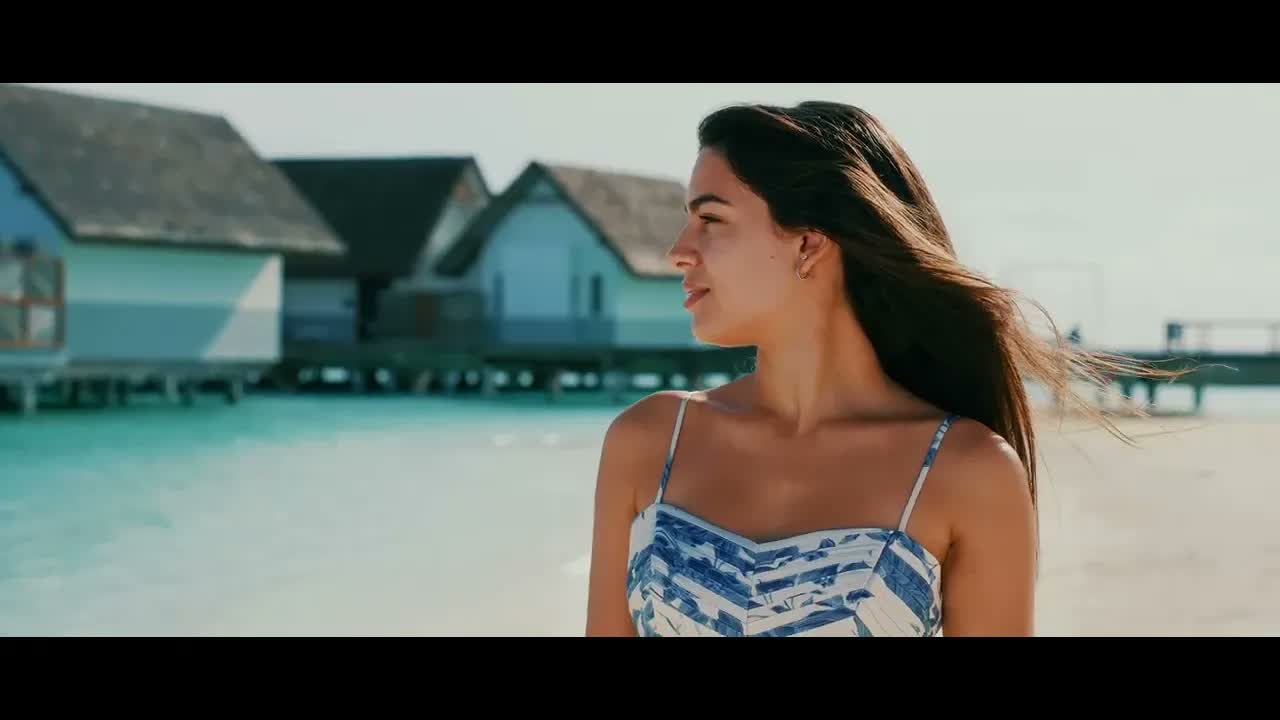
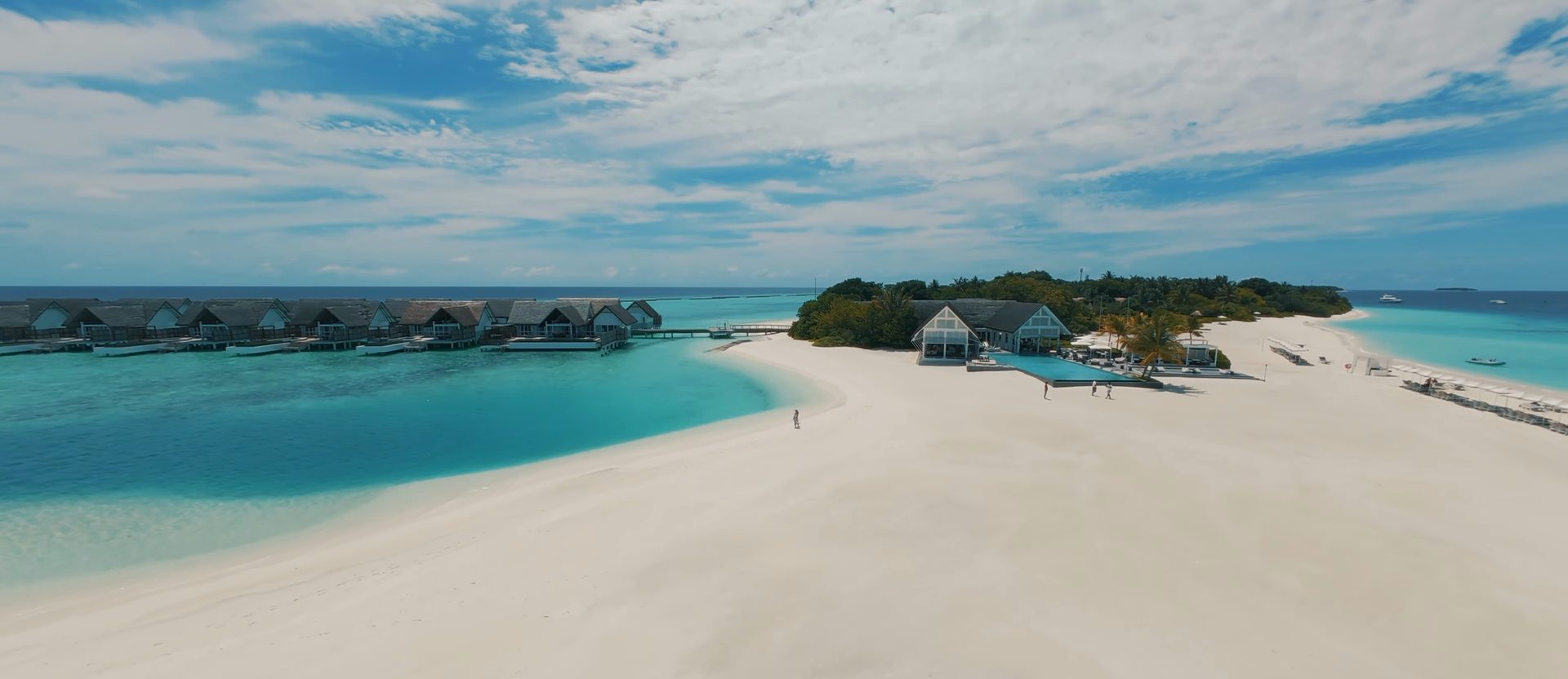
The craft that films a Maldivian overwater villa or a Kyoto boutique hotel translates directly to the mountains — the same narrative discipline, the same obsession with light and motion. What changes is the canvas. An alpine resort has scale, season and adrenaline that a beach property simply does not, and a film that understands those variables can do something a photo gallery never will: make someone book a week they had only been daydreaming about.
Why ski resort video is its own discipline
A generic "resort video" treats the mountain as a backdrop. A cinematic ski resort film treats it as a character. The terrain sets the mood, the weather writes the plot, and the guest is the protagonist moving through it. That reframing is what separates footage that looks expensive from film that actually converts.
It also raises the stakes on storytelling. Ski buyers are aspirational and specific: they care about snow quality, vertical, the après-ski culture, the quality of the room they return to at night. A film that only shows powder misses two-thirds of the decision. The best alpine films move deliberately between the epic and the intimate — the massif and the fireplace.
The core idea
Sell the whole day, not just the descent. The lift-line anticipation, the mid-mountain lunch, the sauna at dusk and the long dinner are as persuasive as any powder shot — often more so for the luxury guest who is choosing where to spend a week, not where to catch a single run.
The alpine cinematic language
Mountains reward a specific vocabulary of camera movement, and each move carries intent:
- The reveal: starting tight on a detail — ski edges carving, breath in cold air — then lifting to disclose the full scale of the range. It manufactures awe.
- The descent follow: tracking a skier or rider down the fall line, putting the viewer inside the motion rather than watching it from a distance.
- The dawn establishing shot: an empty, blue-hour mountain before the lifts turn, signalling exclusivity and first tracks.
- The warm interior counterpoint: cutting from cold, kinetic exteriors to slow, golden interiors — the spa, the bar, the suite — so the film breathes.
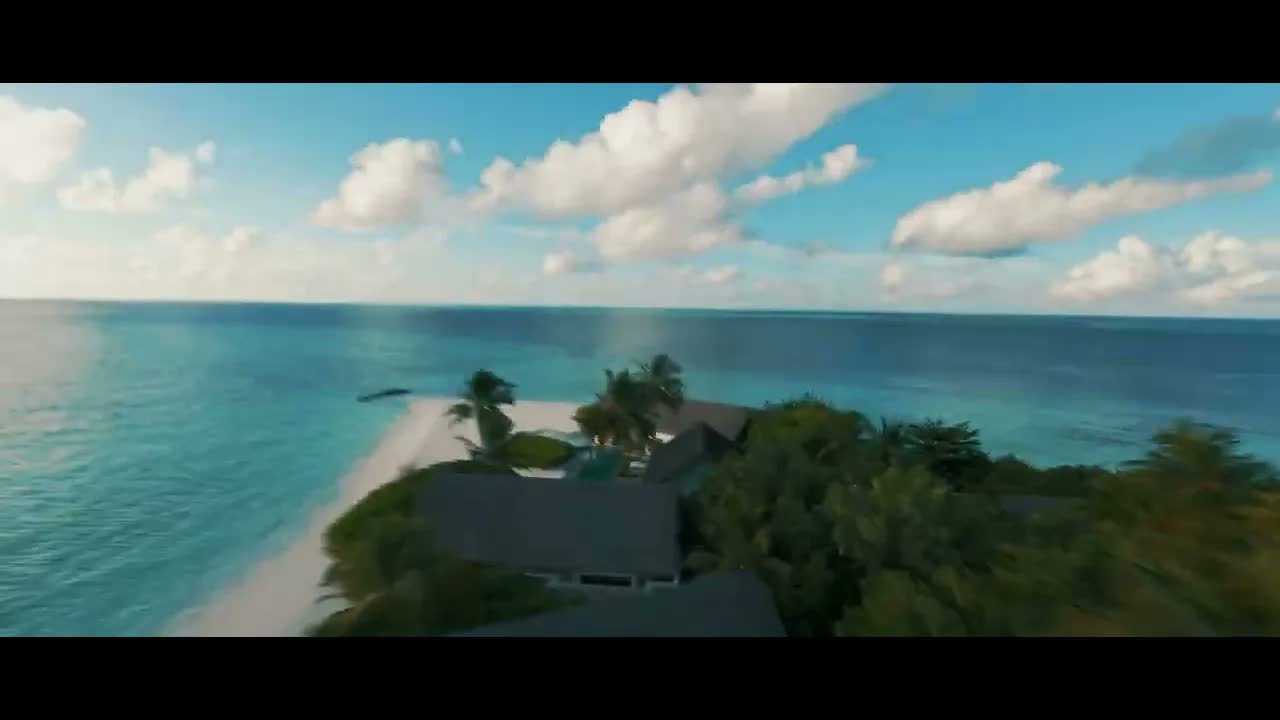
Aerial and FPV work is where this language peaks. As we cover in drone storytelling for resort video, a single aerial reveal can justify a premium in the viewer's mind — and on a mountain, that move has more raw material to work with than almost anywhere else.
Filming two seasons, one property
The most common mistake in alpine marketing is treating a resort as a winter-only asset. The lifts, the trails and the peaks that sell in January can sell hiking, biking, wellness and alpine dining in July. A production planned around two shoot windows delivers a year-round content library from a single creative brief — and is almost always more efficient than commissioning a second film once the green season arrives.
Winter powder and green-season alpine, captured as one project
A hero cut, a paid-social cutdown and vertical clips from the same shoot
Content that markets the property in every booking window
Where the film works across the funnel
A ski resort film is not one asset; it is a system of cuts placed where decisions happen:
- Awareness: vertical clips and short aerials as Reels and TikToks that spark wanderlust and travel far on shares.
- Consideration: the hero film on the homepage and OTA listing, where scale, snow and the quality of the stay do the persuading.
- Conversion: cinematic campaign edits that carry the emotional weight — the reason someone finally moves from browsing to booking direct.
The mountain gets the attention. The stay closes the sale. A film that forgets the second half leaves bookings on the table.
What a ski resort film should actually show
Beyond the obvious descents, the sequences that move luxury buyers are the ones that answer "what is my week actually like?" — arrival and the first view of the peaks, the ritual of gearing up, mid-mountain dining, the spa and pool against a snow backdrop, the room at night, the long table dinner. The film should feel like a memory the viewer has not made yet.
Production realities in the mountains
Alpine shoots are unforgiving in ways beach and city productions are not, and honesty about that is part of doing them well. Cold drains batteries and shortens drone windows. Winter light is brief and directional, so the golden and blue hours that matter most are narrow and non-negotiable. Weather holds are a scheduling reality, not an exception. The answer is not more gear — it is a storyboard built to flex, a crew that reads the mountain, and enough window in the schedule to wait for the shot the weather owes you.
Bringing luxury-resort craft to the slopes
Vision's work lives in luxury hospitality — the cinematic language, the narrative discipline and the obsession with light that we bring to the world's leading resorts is exactly what an alpine property needs to stand apart. The mountain adds scale and adrenaline; the craft makes them mean something. If you want to see how that same thinking plays out beyond the standard room tour, our piece on seven cinematic concepts is a good next step — or tell us about your resort and we will shape a concept for your season.
Frequently asked questions
What is ski resort video production?
Ski resort video production is the filming and editing of cinematic content for alpine and mountain resorts — the property, the slopes, the guest experience and the surrounding landscape — built to be used across a resort's website, social channels, OTA listings and paid campaigns. Done well, it is narrative filmmaking, not a slope highlight reel: it sells the feeling of the mountain, not just the vertical drop.
How is filming a ski resort different from a beach or city hotel?
Three things change everything: light, cold and access. Alpine light is short and directional in winter, which makes golden and blue hour tighter and more precious. Sub-zero temperatures limit battery life, drone flight windows and continuous shooting. And terrain access — lifts, cat tracks, off-piste, weather holds — means the schedule has to flex around the mountain, not the other way around. The craft is the same; the logistics are harder.
Should we film winter and summer, or just the ski season?
For most alpine properties, both. A single winter film sells the powder, but green-season footage — hiking, biking, wellness, alpine dining — lets you market the resort year-round from one production. Planning two shoot windows into a single project is almost always more cost-effective than commissioning two separate films later.
How long should a ski resort video be?
There is no single length — there is a set. A 60–90 second hero film for the homepage and OTA listing, a 20–30 second cutdown for paid social, and several vertical clips for Reels and TikTok, all cut from the same shoot. Matching format to placement matters more than any one runtime.
Does drone footage matter for a ski resort?
Enormously. Aerial and FPV work is where mountains come alive — a reveal that lifts off a tree line to show the full massif, or an FPV descent that follows a skier down a ridge, conveys scale and adrenaline no ground shot can. It should still serve the story rather than open with a detached flyover.
Next step
Bring cinematic craft to your mountain.
Tell us about your resort and the seasons you want to capture — we'll shape a bespoke creative concept and a tailored quote.